.avif)


Designing for Sound
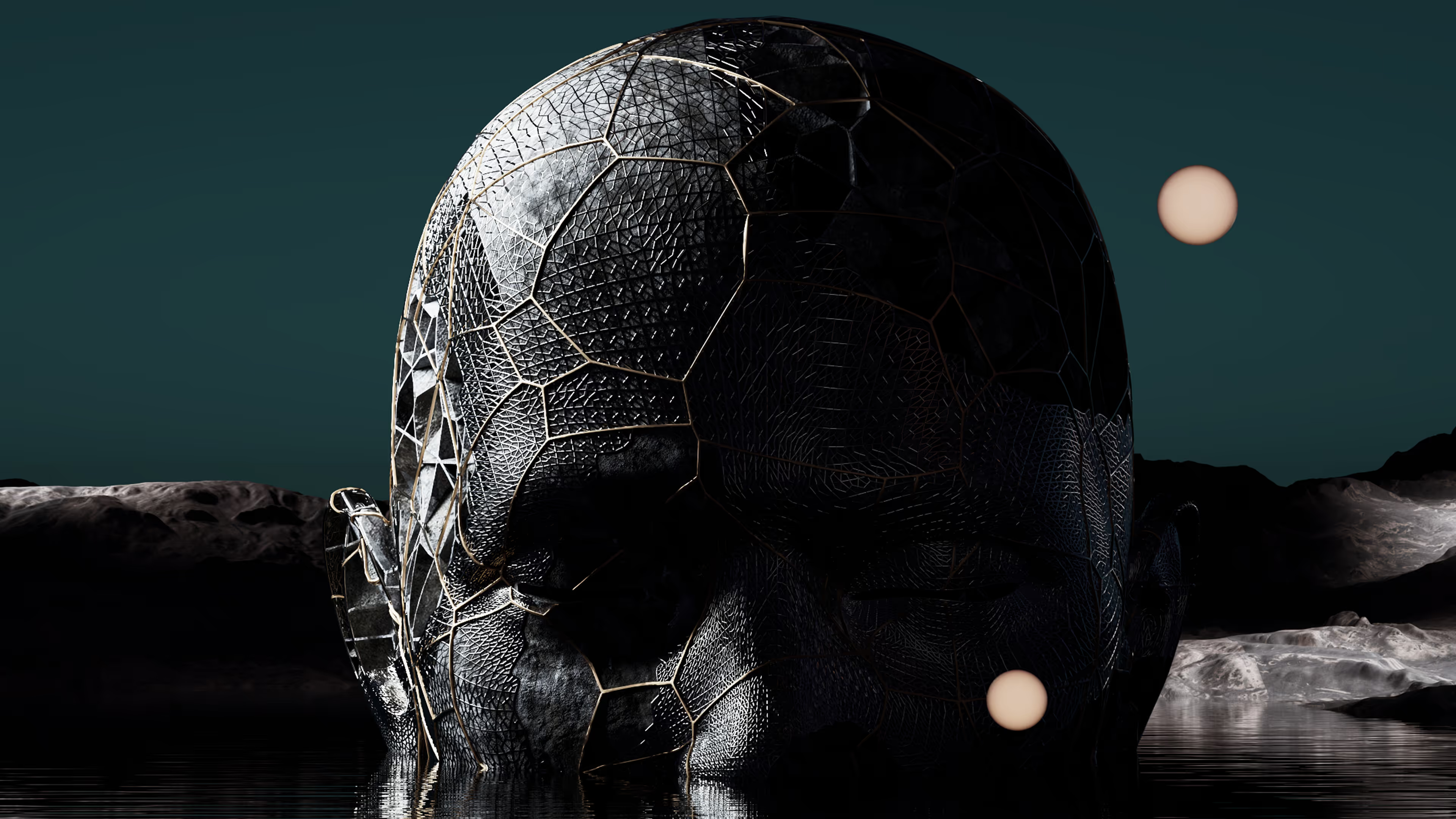
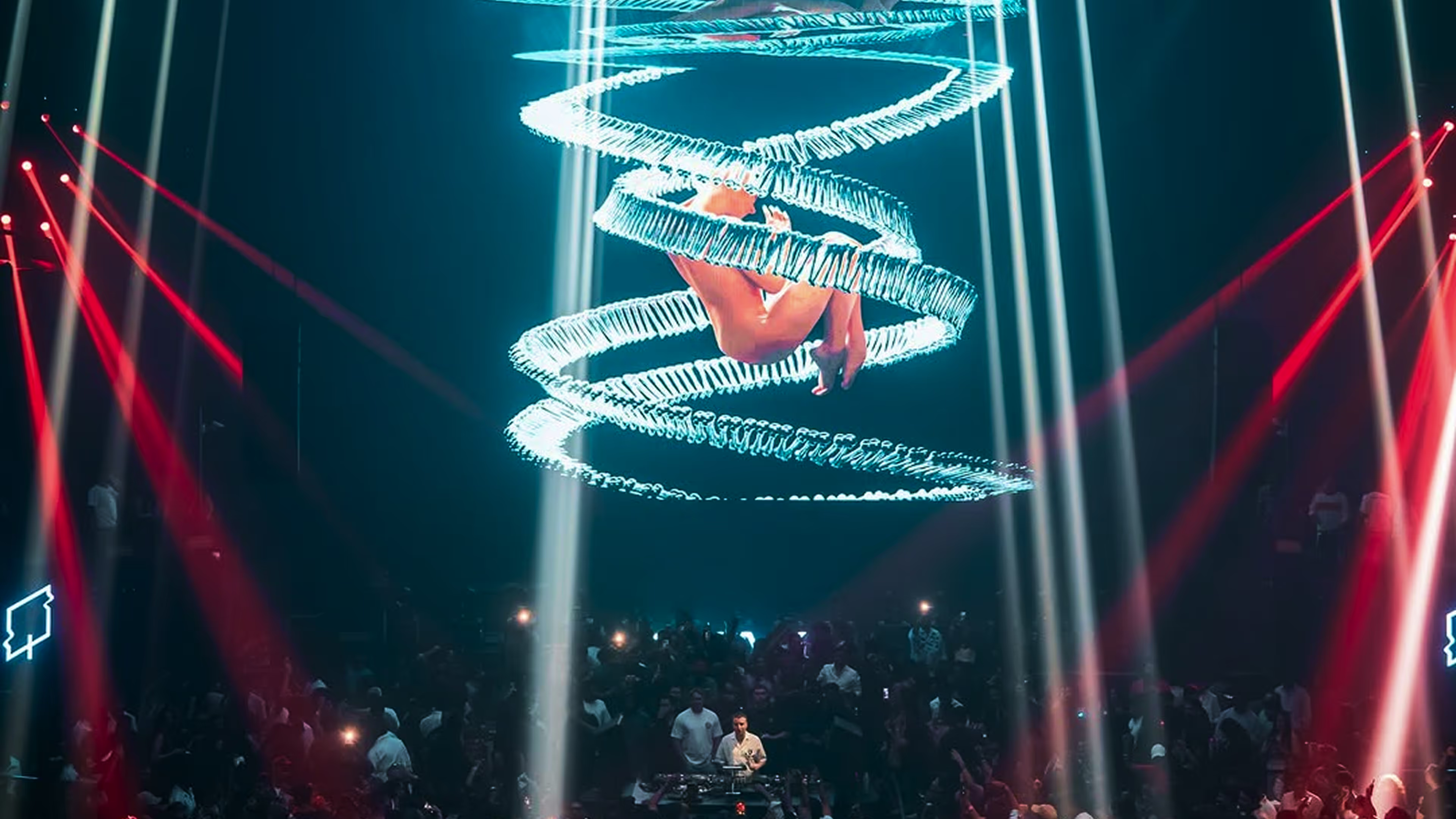
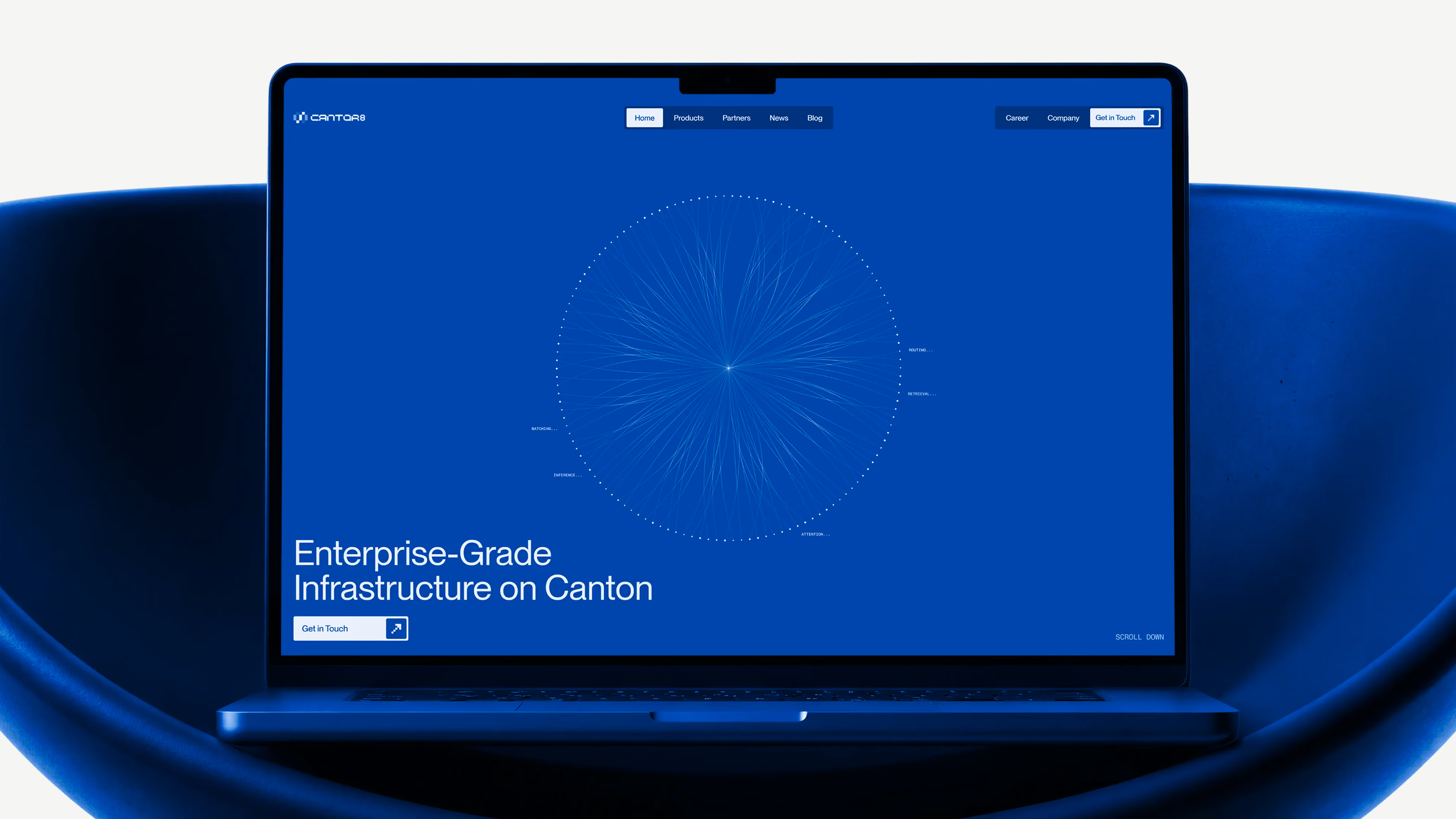
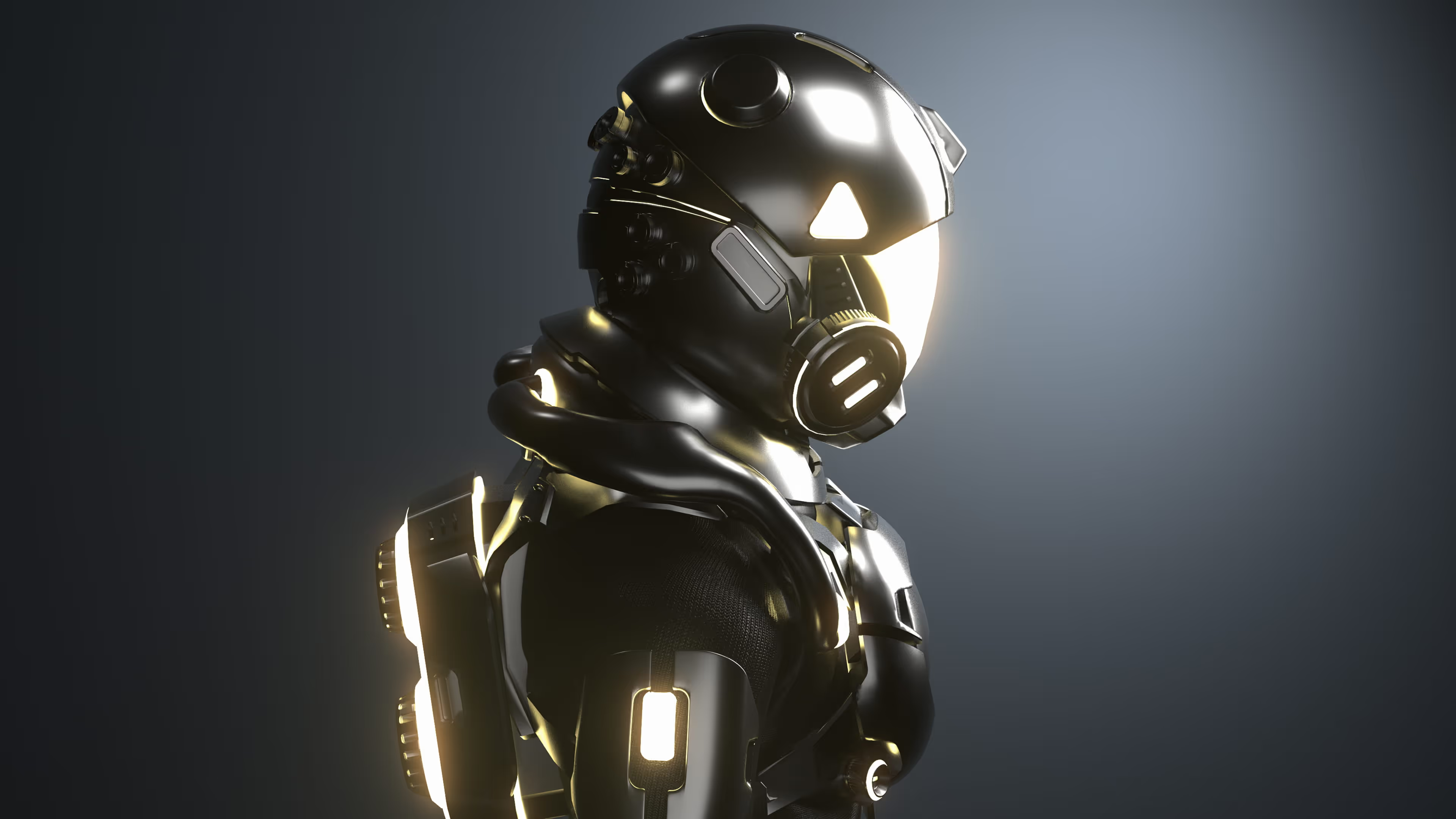
For the past two years, alongside websites, brands, and digital products, I've been creating visual worlds for Goom Gum. Release artwork, promotional campaigns, festival visuals, motion pieces, and experimental 3D scenes that, at first glance, have very little in common with the work most people associate with my name. One side of my career revolves around user experience, structure, business goals, content systems, and functionality. The other revolves around atmosphere, emotion, rhythm, and visual experimentation.
One of the hidden risks of working in the same industry for years is becoming efficient. Experience helps you make faster decisions, identify patterns, and avoid mistakes you've already made before. That sounds like progress, but it also comes with a downside. Over time, familiar solutions become automatic. Certain layouts feel safe. Certain concepts feel predictable. Eventually, experience starts turning into routine. Working on music visuals became a way to step outside of that cycle. There were no conversion goals, user flows, or content structures to organize. The objective was often much simpler and much harder at the same time: create a feeling.
Unlike websites, feelings don't have wireframes or clearly defined outcomes. They require a different kind of thinking. Every release became an opportunity to experiment without knowing exactly where the process would end. That uncertainty, which can often feel uncomfortable in commercial work, became the most valuable part of the process.
Creative Crossovers
What surprised me most was how often those experiments found their way back into my client work. Some of the strongest ideas I've developed for websites began inside completely unrelated 3D explorations. Approaches to lighting, composition, movement, pacing, and storytelling would first appear inside a visual created for a music release and later evolve into something useful for a digital experience.
The reverse happened as well. Years spent designing websites taught me how to build stronger narratives, create clearer visual hierarchies, and bring more intention into artistic work. The two disciplines gradually stopped feeling separate. Instead, they became part of the same creative ecosystem, continuously feeding one another. The more time I spent moving between them, the more difficult it became to identify where one ended and the other began.
Looking back, some of the most valuable lessons from the past two years had very little to do with software, rendering techniques, or design trends. They came from changing environments. From solving different types of problems. From allowing ideas to develop in places where there were no clients, deadlines, or expectations attached to them.
Beyond Design
Looking back, the most interesting part wasn't the visuals themselves. It was learning how differently creative decisions are made in music compared to digital products. Websites are often measured through clarity, usability, and business outcomes. Music operates on a different set of rules. Sometimes the right decision is the one that creates tension rather than clarity. Sometimes atmosphere matters more than explanation. Sometimes an image only needs to make people feel something for a few seconds before disappearing.
Working across both worlds taught me to appreciate that creative work doesn't always need the same objective. Some projects exist to solve problems. Others exist to create emotion. The challenge is knowing which one you're building.
After two years of releases, campaigns, and visual experiments, that's probably what I value most. Not the renders, not the artwork, and not even the final visuals themselves. The opportunity to step into a completely different creative environment for a while and return with a different way of seeing things.