.avif)




Editing the Editor
Over the past few years, it became almost impossible to avoid AI. Every week brought a new tool promising to replace entire professions, automate creative work, and compress hours of effort into a few seconds. Most products competed around the same idea: do more with less human involvement. Ponder approached the problem from a different angle. Instead of asking how AI could replace editors, the team focused on a much more interesting question: how could it help them spend more time on the parts of editing that actually matter?
That distinction became the foundation of everything we built. Ponder wasn't designed as a one-click video generator. It wasn't trying to eliminate decision-making or creative judgment. The goal was to remove friction from the editing process while preserving control. Editors still shape the story. Editors still make the final decisions. AI simply helps them move faster through the repetitive parts of the workflow. In a market full of products chasing automation, that felt surprisingly human.
Building for People Who Care About Craft
One of the most interesting parts of the project was understanding the audience. Editors are not passive software users. They spend years developing instincts, workflows, shortcuts, and creative preferences. Many are naturally skeptical of AI because they have already seen countless products promising revolutionary results while misunderstanding the reality of creative work. The challenge wasn't convincing people that AI was powerful. The challenge was convincing them that the people building it understood editing.
That realization shaped both the product narrative and the visual identity. Rather than positioning Ponder as futuristic technology, we focused on the creative process itself. Timelines, sequences, footage, rough cuts, revisions, and storytelling became recurring themes throughout the experience. The website wasn't trying to celebrate artificial intelligence. It was celebrating the people using it.
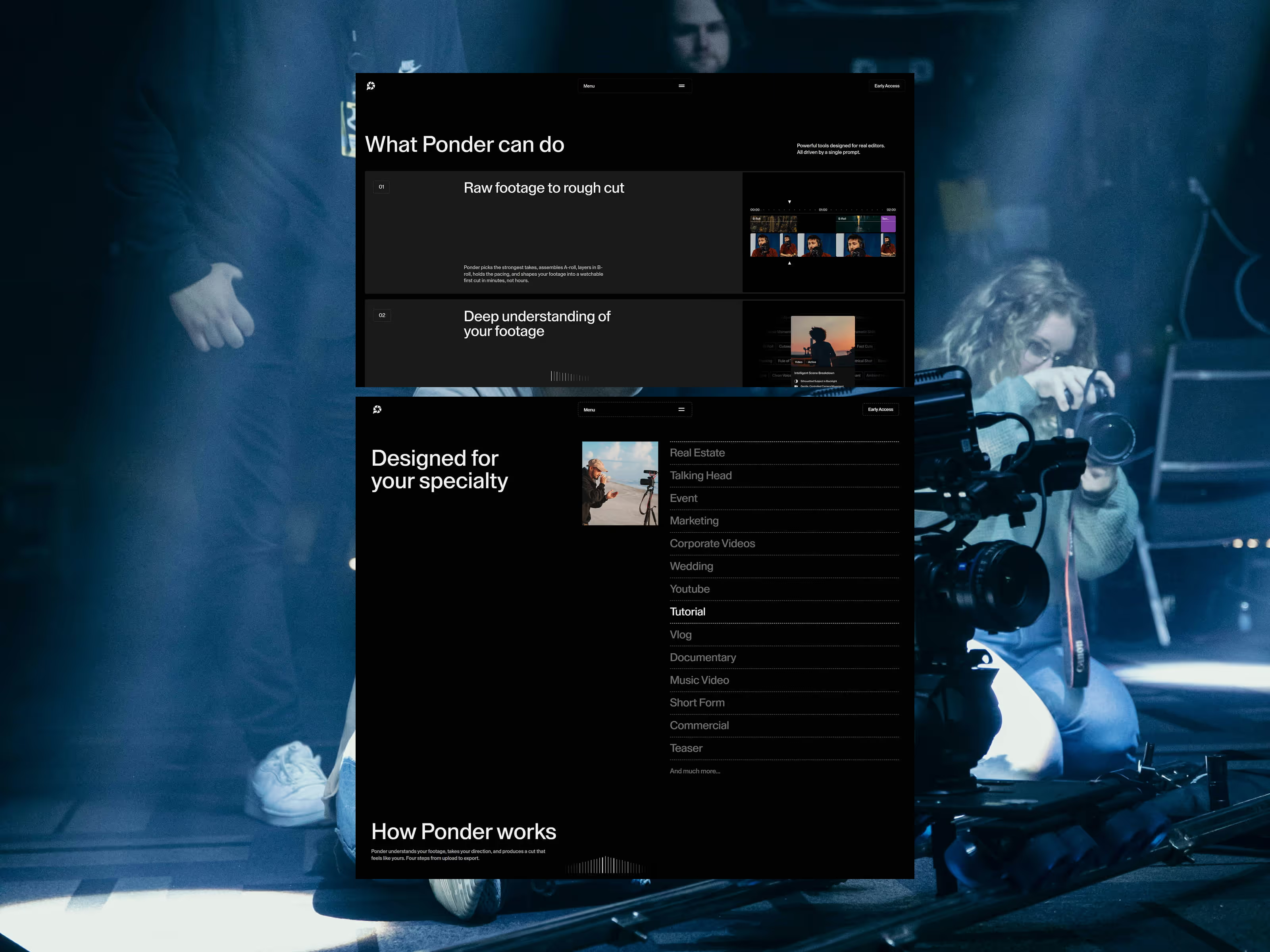
A Different Kind of Creative Tool
What made the project especially interesting was that it existed during one of the biggest transitions the creative industry has experienced in decades. New tools appear almost daily. Entire workflows are changing in real time. Nobody knows exactly what editing, design, filmmaking, or content creation will look like five years from now. Building Ponder felt less like designing a website and more like participating in a larger conversation about where creative work is heading.
The deeper we went into the project, the more obvious it became that the future isn't a battle between humans and software. The most useful tools rarely replace creativity. They create more space for it. The best editing software never tells a story on its own. It helps storytellers tell better ones. Ponder followed the same philosophy. AI was never the destination. It was simply another tool inside a much larger creative process.
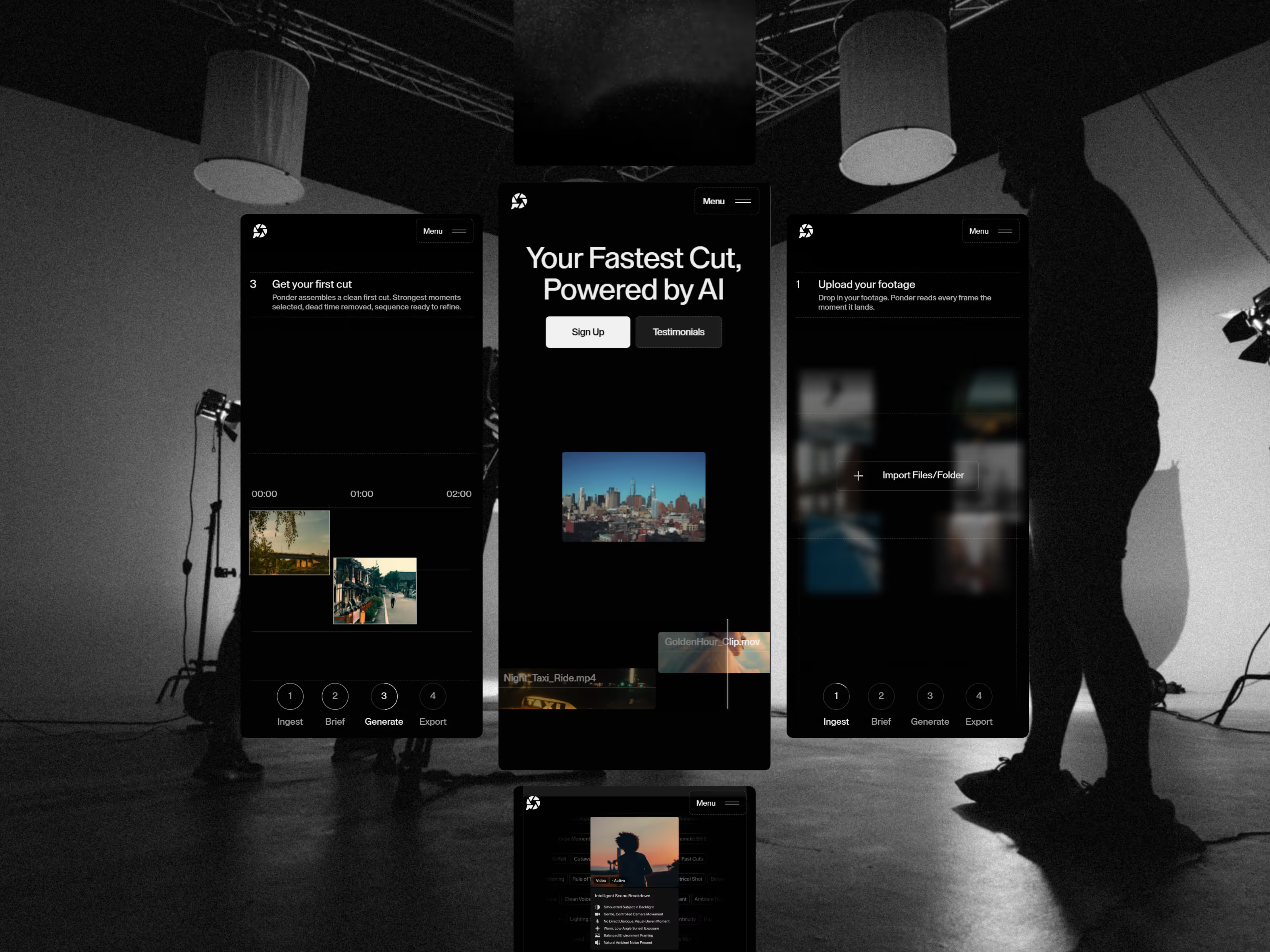
Craft Still Matters
What stayed with me long after the project wasn't the technology itself. It was the people building it. Editors, filmmakers, creators, and founders who genuinely care about the craft behind every decision. In an industry obsessed with speed, automation, and efficiency, it was refreshing to work on a product that viewed creativity differently. The conversation was rarely about replacing people. It was about helping them spend more time on the parts of the process that actually matter.
Working on Ponder reinforced something I've noticed throughout my career. Technology changes far faster than creative principles do. New tools appear every year. Workflows evolve. Entire categories emerge and disappear. Yet the fundamentals remain surprisingly stable. Great stories still require taste. Strong edits still require judgment. Meaningful work still requires human decisions. No matter how advanced the tools become, those responsibilities remain in the hands of the people using them.